Build your flash website on macOS
Empower your marketing team with Instapage's landing page creation platform.









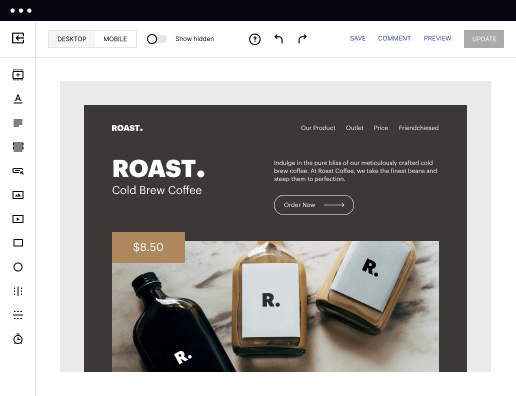
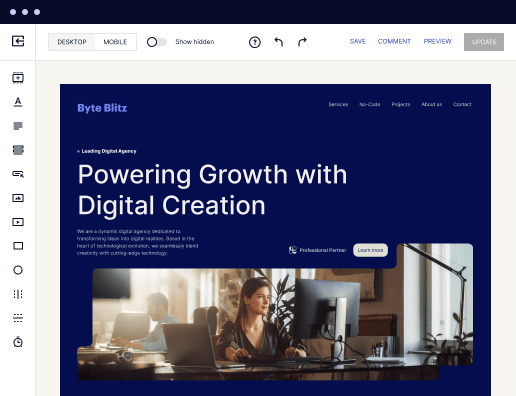
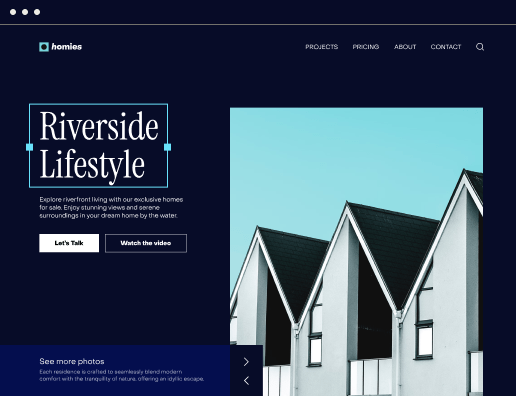
 500+ customizable layouts
Get your campaigns up and running faster with conversion-focused landing page layouts designed for every industry and business type. Easily scale landing page generation with Instablocks® and Global Blocks that you can save, reuse, and update globally.

 Mobile responsiveness
All Instapage landing pages are optimized for responsiveness. They adapt to any screen size, ensuring a consistent user experience across all devices.

 A/B split testing
Make data-driven decisions to optimize conversions with A/B testing capabilities. Experiment with different landing page variations, separate elements, layouts, and content that you can instantly generate with AI.

 Seamless ad mapping
Boost conversions and lower your CPA by personalizing your landing pages. With AdMap®, you can effortlessly visualize your ad campaigns, link them to relevant landing pages, or create new personalized pages. Then, synchronize updates of ads and landing pages without any back-and-forth.

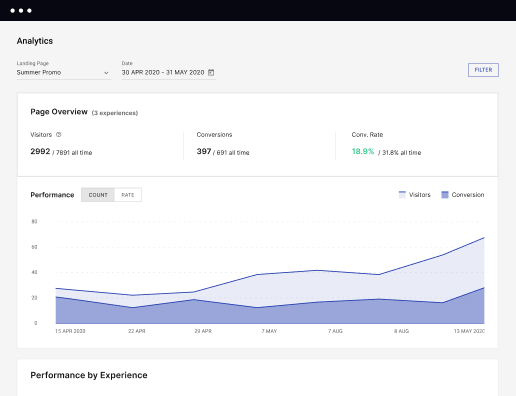
 Detailed reporting
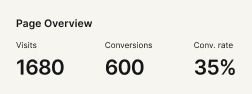
Instapage provides detailed real-time reports over any period of time and across all your devices. To help you better understand your audience and optimize your marketing strategy, check conversion analytics that you can view directly from Instapage.

 Integrations with 120+ marketing tools
Instapage seamlessly connects with popular marketing tools and platforms, including CRMs, e-commerce, analytics tools, marketing automation platforms, email marketing software, and more. Everything you need to drive conversions and grow your business is at your fingertips.




 500+ customizable layoutsMobile responsivenessA/B split testingSeamless ad mappingDetailed reporting500+ customizable layouts
How to Build Your Flash Website on macOS Using Instapage
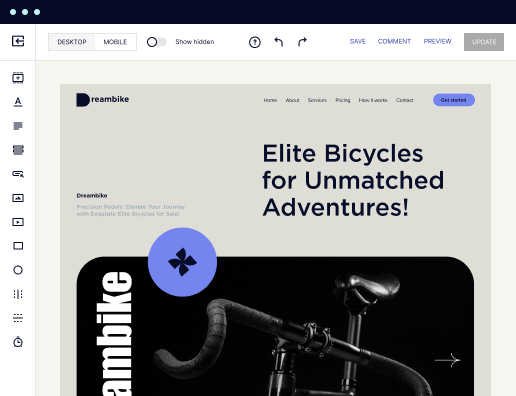
Instapage offers a powerful platform for creating landing pages that optimize conversions and enhance user experience. With over 500 conversion-focused layouts and intuitive design tools, Instapage empowers marketers to build impactful pages without the need for coding skills.
Key Features of Instapage
- Flexible page creation platform
- Built-in experimentation and optimization features
- Dynamic content personalization
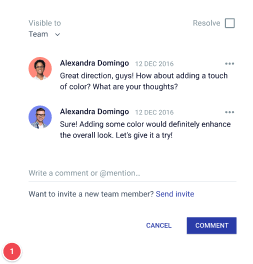
- Collaboration tools for efficient page production
Getting Started with Instapage
- Get a free Instapage account and sign up for a free 14-day trial.
- Configure your account and provide company details.
- Access the Dashboard, navigate to Landing Pages, and click Create Page.
- Choose to create a page from scratch or use ready-made templates.
- Utilize design tools to customize your page with images, fonts, and colors.
- Save changes and publish your page to launch it.
- Test, review, and experiment with your pages for optimal performance.
Start creating stunning landing pages with Instapage today and unlock the full potential of your online marketing strategy.
Get more out of Build your flash website on macOS
Improve your Quality Score with quick load technology for landing pages
Increase conversions with content that aligns with your ads and audiences
Achieve maximum ROI by scaling your marketing initiatives

“Instapage gives us the ability to tailor our landing page content and layout to tell a unique story for each geographical target. The platform also enables us to create different variations with content that performs well for each unique channel. Every marketing team needs this!”


"Instapage has truly maximized our digital advertising performance by enabling us to offer matching, personalized experiences for every ad and audience. Now we can scale our landing page experiences as efficiently and effectively as we scale the ads themselves."


"If we have to wait on a developer, our creative velocity plummets. But Instapage has made it possible for us to exponentially grow our advertising programs and convert more customers"

Leading the way in building high-performing landing pages





FAQs
See how to build your flash website on macos in action
Ready to skyrocket conversions?
Supercharge your ad campaigns with high-performing landing pages.
Get started