Make your 403 forbidden page designed for Debian
Instapage empowers you to reduce costs, increase conversions, and deliver meaningful experiences on Debian.









 Build landing pages that get results
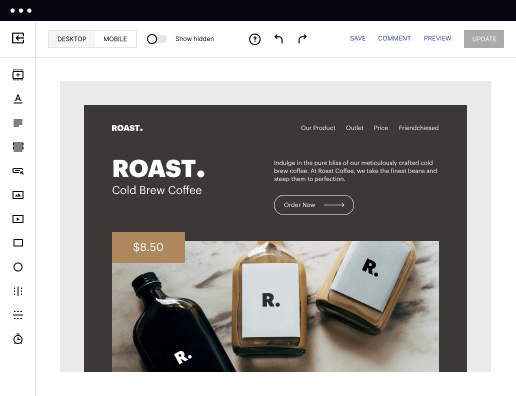
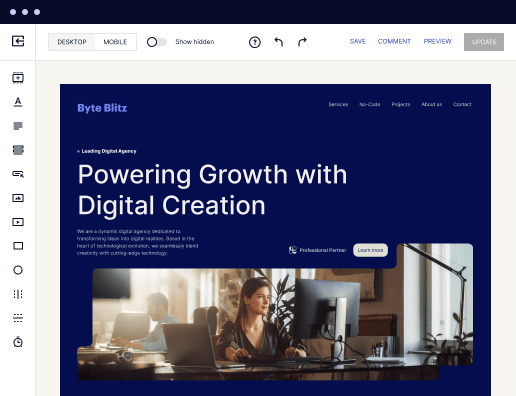
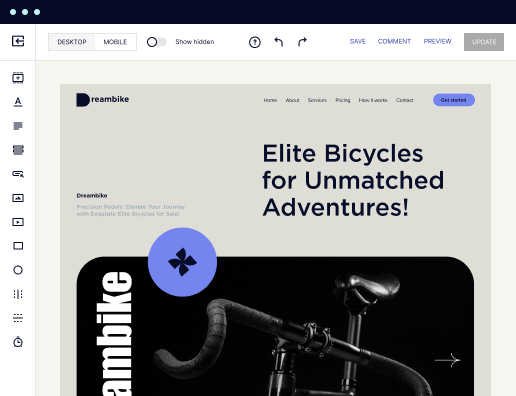
Drive ad campaign performance using targeted landing pages. With over 500+ layouts, AI-content generation, built-in collaboration, Instablocks®, and quick page load technology, you can easily create landing pages that deliver an unparalleled user experience that gets more people buying.

 Boost results through landing page optimization
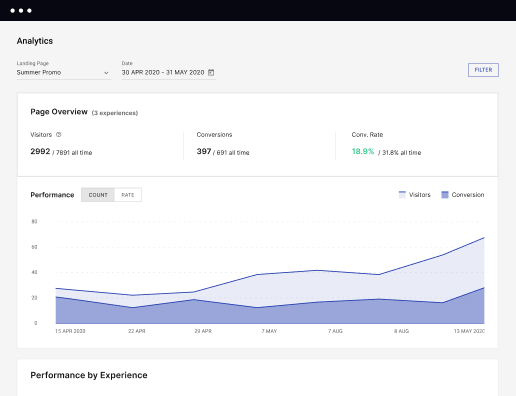
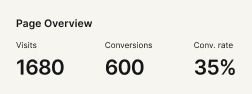
Optimize your landing pages using Instapage’s variety of testing tools. Track and analyze user behavior with heatmaps, run A/B testing to single-out the best performing version, or launch AI-assisted experiments that automatically analyze ad traffic and route it to best-performing.

 Personalize experiences for higher engagement and ROI
Craft unique and high-performing landing pages that align with your ad messaging and resonate with your target audience. By crafting a landing page experience that resonates with your audience, you'll engage more visitors, maximize conversions, and reduce acquisition costs.

 Maximize campaign efficiency with ad mapping
Efficiently manage campaigns by visualizing your ads and mapping them to corresponding landing pages in one place. Define what campaigns need a personalized experience and connect them with relevant ads to increase conversion rates and decrease CPA.

 Power up landing pages with AI
Instantly create high-performing content for each audience segment and separate ad campaigns with the AI assistant. From catchy headlines to converting CTAs for A/B tests – access and use AI directly on your Instapage. No more writer’s block or workflow interruptions.

 Improve alignment across your creative team
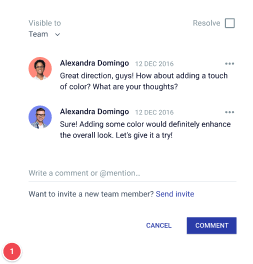
Get your campaigns off the ground faster with efficient teamwork that happens in real time. Empower your team members to provide immediate feedback, make edits to page versions, and securely share information with outside stakeholders all from a single secure space.





 Build landing pages that get resultsBoost results through landing page optimizationPersonalize experiences for higher engagement and ROIMaximize campaign efficiency with ad mappingPower up landing pages with AIBuild landing pages that get results
Creating a 403 Forbidden Page on Debian: A Step-by-Step Guide
A well-designed and informative 403 Forbidden page can significantly enhance your brand's image, even when users encounter access restrictions. Utilizing Instapage to build your 403 Forbidden page on Debian ensures a seamless experience that not only explains the restriction but also guides users toward other useful resources. This guide will lead you through the essential steps to create an effective 403 page using Instapage, optimizing it for higher conversions and user trust.
Understanding the 403 Forbidden Error
The 403 Forbidden error indicates that the server understands the request but refuses to authorize it. This can happen for various reasons, including permissions settings on your server that deny access to particular users or directories. Recognizing the significance of conveying this information effectively can aid in maintaining user trust and experience.
Step 1: Setting Up Your Landing Page
Using Instapage, start by creating a new landing page specifically for your 403 Forbidden error. This involves selecting a conversion-focused layout from the extensive library of over 100 templates. Focus on keeping the design simple and cohesive with your brand's identity.
- Choose an appropriate layout suitable for a 403 message.
- Customize the template by adding your brand logo and colors.
- Ensure the page is mobile-responsive for a better user experience.
Step 2: Crafting the Message
The content on your 403 Forbidden page should be direct, informative, and empathetic. Use clear language to explain why access is denied and provide guidance on what users can do next.
- Include a friendly message stating that access is forbidden.
- Offer potential reasons for the restriction to clarify the user’s situation.
- Provide links to alternative resources or a contact page for further assistance.
Step 3: Optimizing with Instapage Features
Leverage Instapage’s built-in experimentation features to optimize your 403 Forbidden page. Utilize heatmaps to analyze visitor interaction, conduct A/B tests to refine your message, and monitor analytics to evaluate performance over time.
- Use A/B testing to determine the most effective messaging.
- Analyze heatmaps to understand where users click or drop off.
- Track your page’s performance with detailed analytics.
In conclusion, creating a 403 Forbidden page on Debian using Instapage is an essential step in maintaining a professional online presence. Utilizing customizable templates and optimization features enables marketers to not only inform users but also guide them towards other useful content.
Start building your 403 Forbidden page today with Instapage, ensuring a smooth user experience and maintaining your brand’s integrity, even in challenging situations.
Get more out of Build your 403 forbidden page on Debian
Improve your Quality Score with quick load technology for landing pages
Increase conversions with content that aligns with your ads and audiences
Achieve maximum ROI by scaling your marketing initiatives

“Instapage gives us the ability to tailor our landing page content and layout to tell a unique story for each geographical target. The platform also enables us to create different variations with content that performs well for each unique channel. Every marketing team needs this!”


"Instapage has truly maximized our digital advertising performance by enabling us to offer matching, personalized experiences for every ad and audience. Now we can scale our landing page experiences as efficiently and effectively as we scale the ads themselves."


"If we have to wait on a developer, our creative velocity plummets. But Instapage has made it possible for us to exponentially grow our advertising programs and convert more customers"

Leading the way in building high-performing landing pages



FAQs
See how to build your 403 forbidden page on debian in action
Ready to skyrocket conversions?
Supercharge your ad campaigns with high-performing landing pages.
Get started